Understanding the Herd’s Temperament: How Mineral Imbalances Affect Goat Behavior & Mothering Instinct
On the farm, we know our goats have big personalities—some are skittish, some are pushy, some are aloof, and some are the most attentive mothers. Often, we chalk this up to “just their nature.” But what if their behavior and maternal instincts are powerfully shaped by something we can actually manage: their mineral status?
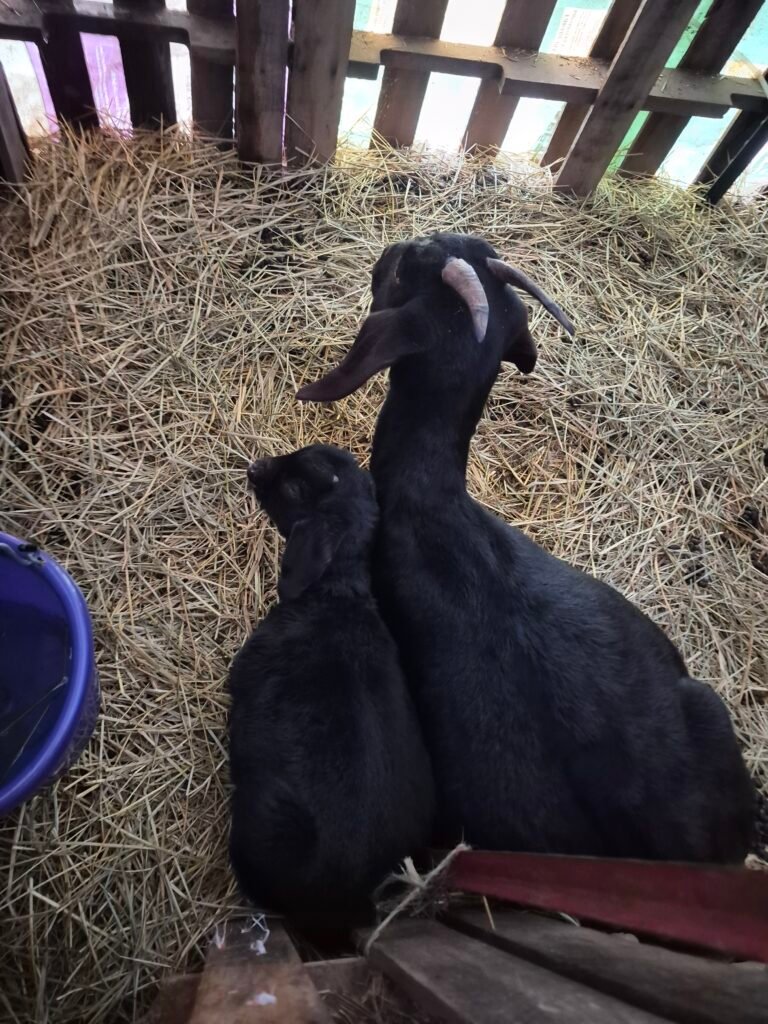
HTMA research in humans has long made the connection between minerals and emotion. Goats, being highly social and sensitive ruminants, are no different. Their mineral levels directly influence nervous system function, stress resilience, and even mothering ability.
Decoding Herd Behavior Through Minerals
- The “Reactive” Goat (Low Calcium/Magnesium): A goat with very low calcium and magnesium is in a state of hyper-reactivity. Think of the doe who startles at everything, is hard to handle, or seems constantly on edge. She’s biochemically stuck in “fight-or-flight,” leaving no energy reserves for growth, milk production, or nurturing kids.
- The “Checked-Out” Goat (High Calcium/Magnesium Shell): The opposite pattern is just as problematic. Excessively high levels (often due to poor metabolism, not just intake) can create a mineral “shell.” This goat may appear dull, unresponsive, or disconnected from the herd. She might not hear your commands as clearly (a real safety concern) and, critically, may exhibit poor mothering instincts because her system is in a defensive, shut-down state.
- The “Burnout” Doe (Low Sodium/Potassium): This critical ratio is a direct marker of adrenal and thyroid energy. A low ratio points to frustration, resignation, and exhaustion. This is the doe who seems apathetic, doesn’t compete at the feeder, and may fail to thrive or wean strong kids. It’s not laziness; it’s biochemical depletion.
Trace Minerals: The Keys to Temperament and Mothering
- Copper & Zinc (The Balance of Brain Function): Copper stimulates deeper brain centers. Imbalance can lead to erratic behavior. Zinc is crucial for moderating these responses. A proper copper-to-zinc ratio is essential for a calm, stable temperament. Zinc deficiency alone is linked to mood swings and poor nervous system function.
- Manganese (The “Maternal Element”): Research across species shows that manganese deficiency directly impairs maternal instinct—animals cease to care for their young. In our depleted soils, this is a critical mineral to watch. A good manganese status supports nurturing behavior and strong kid bonding.
- Iron (The “Aggression” Mineral): While needed for energy, excess iron can settle in brain tissues and is associated with irritability and aggressive behaviors.
From Behavior to Biology: A Proactive Management Tool
Viewing your herd’s temperament through the lens of mineral balance changes everything. That “problem” behavior might be a cry for nutritional help. By using Goat HTMA, we move beyond blanket deworming and guesswork supplementation. We can identify which doe needs copper for better nerve function, which needs zinc to calm her reactivity, or which needs manganese and adrenal support to boost her mothering instincts.
On our own farm, this knowledge has been transformative, allowing us to support our goats’ emotional and physical well-being from the inside out.
Call to Action: Ready to understand the true nature of your herd’s behavior? Let’s use Goat HTMA to build not just healthier, but happier, more resilient, and better-mothering goats…
Supporting Knowledge & Resources:
To complement the ARL information and add scientific credibility, you can integrate or reference these well-established concepts:
- The Neurobiology of Copper & Zinc: The role of copper in modulating norepinephrine and dopamine, and zinc’s function as an NMDA receptor antagonist (calming the brain), is supported in neuro-nutrition literature (e.g., “The Role of Minerals in Neurological Function” – journals like Biological Trace Element Research).
- Manganese and Maternal Behavior: The seminal animal studies on manganese deficiency and impaired maternal care are classic in nutritional biochemistry textbooks.
- The General Adaptation Syndrome (Stress Response): This is Hans Selye’s work, which directly maps onto the ARL electrolyte patterns (alarm = high Na/K, exhaustion = low Na/K, low minerals). It’s a foundational physiological principle that applies to all mammals.
- Soil Depletion Data: Referencing the USDA’s or other agricultural data on the decline of manganese and other trace minerals in soils over the past 70 years validates the need for testing.

Drs. Charlotte and Timothy Test are Traditional Naturopaths, Master Herbalists, and holistic wellness practitioners with over 30 years of combined experience in natural health, herbal medicine, and mind-body wellness. As the founders of Horse -n- Bear Naturopathy and caretakers of Horse -n- Bear Ranch, they blend clinical knowledge with real-world farm and animal experience to support both people and animals using gentle, natural approaches rooted in tradition and science.